
 Sign Up


 VIE
 EN
SOURCING
SOURCING

Sourcing

CHAPTERS
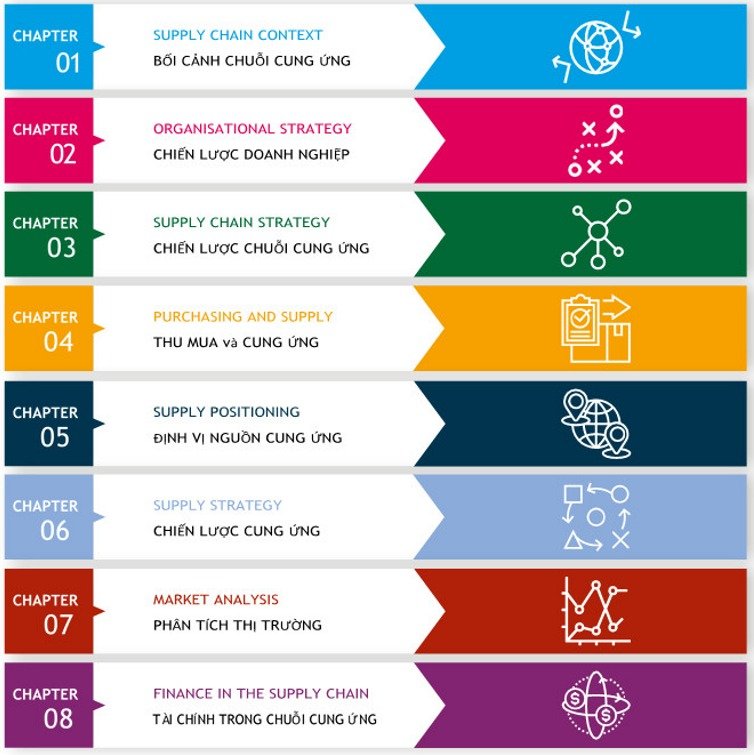
COURSE MODULE 1 - STRATEGY AND PLANNING

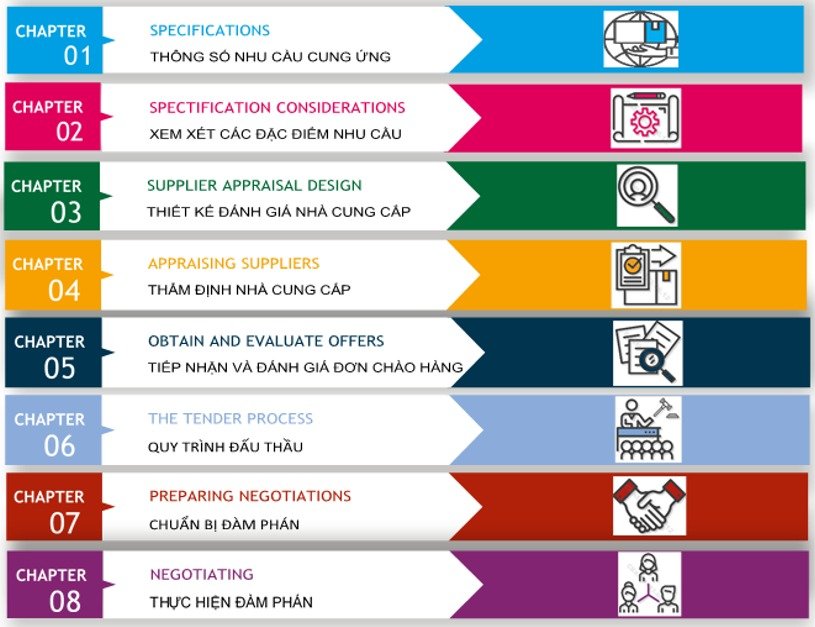
COURSE MODULE 2 – SOURCING

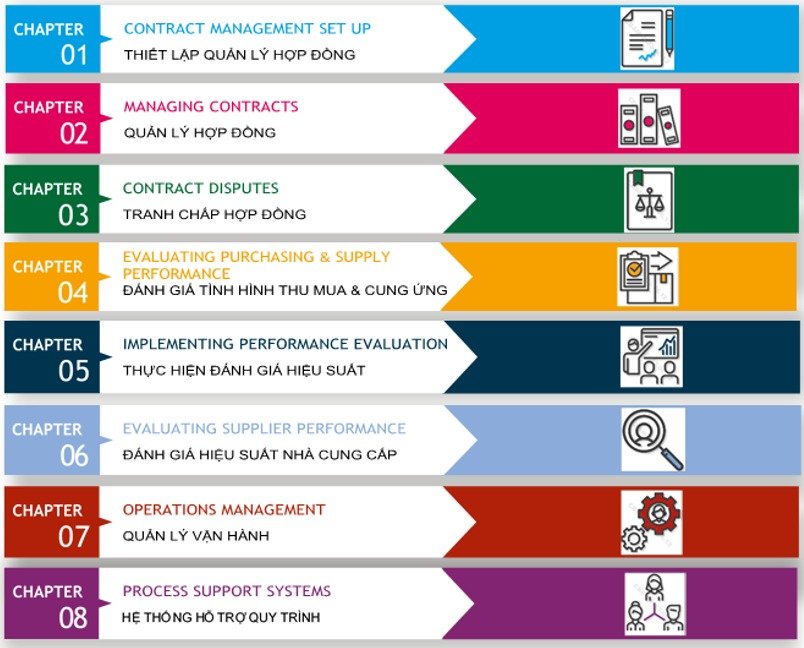
COURSE MODULE 3 - OPERATIONS

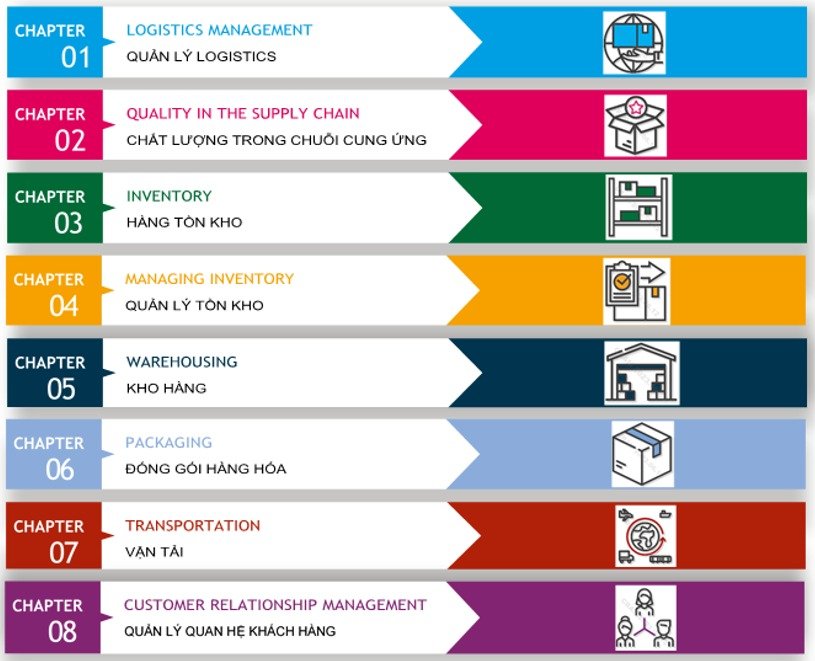
OURSE MODULE 4 – LOGISTICS

LEARNING OBJECTIVES
COURSE MODULE 1 - STRATEGY AND PLANNING
- Know what supply chains are and what supply chain management is;
- Are familiar with the influence of organisational context on the functioning of the supply chain;
- Are able to do calculations related to supply chain performance;
- Can explain the importance of the purchasing and supply function;
- Are capable of using the Supply Positioning Model and explaining the different types of relationships that buyers want to build with their suppliers;
- Have learned about relevant financial supply chain issues including financing techniques and the role of purchasing and supply in budgeting.
COURSE MODULE 2 – SOURCING
- Are familiar with the particularities of formulating specifications to efficiently match your organisation’s needs for products and services;
- Know how to setup a supplier appraisal system and are able to appraise your suppliers according to that system;
- Are capable of choosing adequate ways to obtain and subsequently evaluate offers based on carefully formulated criteria;
- Can explain the different stages of the tender process and the most important activities therein;
- Understand what should (not) be included in contracts with suppliers and why;
- Have learned how to prepare and execute effective negotiations.
COURSE MODULE 3 - OPERATIONS
- Can explain what contract management is and you know how to perform contract management;
- Have learned which disputes may arise between partners in the supply chain and how they may be resolved;
- Know what evaluation of the purchasing and supply function entails and how to implement performance evaluation in general;
- Are capable of carrying out supplier performance;
- Are familiar with operations management and know which systems and techniques apply and when to use them
COURSE MODULE 4 – LOGISTICS
- Have insights in the broad responsibilities of the logistics function in an organisation;
- Know the most important principles of quality management that form the foundation of many best practices in logistics management;
- Understand the role of inventory in balancing costs and customer service in the supply chain;
- Have learned methods and techniques used for inventory management, including methods for demand forecasting methods and calculating order quantities;
- Understand the trade-offs in location and layout decisions, and are able to explain the most important decisions and options in warehouse and transportation management;
- Have a solid understanding of Customer Relationship Management and its importance

DIPLOMA SCM DIPLOMA

SCM CERTIFICATE

-
Contact us
-
-
Content is updating -

Ms. Bui Thi Van Ha
Plant Manager - Bonfiglioli Vietnam Supply Chain Manager - Bonfiglioli Vietnam International Diploma -MLS-SCM program – ITC/UN/WTO – Switzerland
- Training Program
-
Consulting hotline:
0918 516 594 (Ms Khả Hân) -
Email:
hanquach@ibla.edu.vn -
Chat with the Training Department:
Click to chat
Related


INTERNATIONAL BUSINESS LAW
This is a study program following the US Master of International Law curriculum (International Business Law).


